
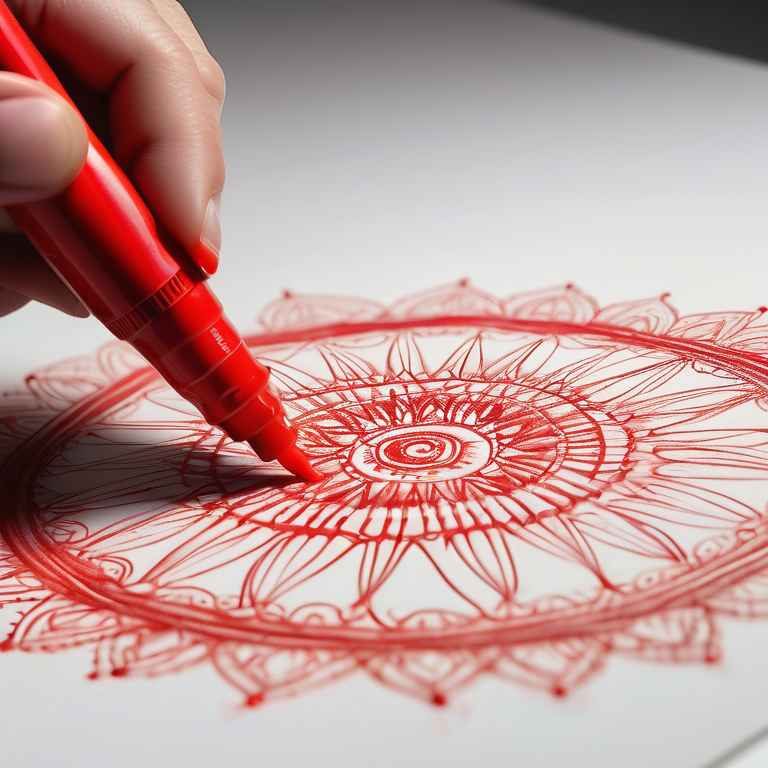
What are the different types of paint marker pens available in the market?
There are various types of paint marker pens available in the market, including oil-based, water-based, acrylic, and chalk markers. Each type has unique characteristics suitable for different surfaces and projects, offering a wide range of options for artists and creators to explore.

Key Highlights
- Mastering paint marker pens is essential for unleashing your creativity and achieving outstanding results in your artwork.
- Choosing the right surface for your project is crucial to ensure the longevity and quality of your paint marker art.
- Understanding the different types of paint markers available in the market will help you choose the right one for your artistic needs.
- Layering colors effectively with paint markers requires knowledge of different techniques and the right choice of ink.
- Preventing smudges and ensuring quick drying of your paint marker artwork is essential for achieving a clean and professional finish.
- Proper storage of your paint marker pens is important to extend their lifespan and maintain the quality of your artwork.
Introduction
Paint marker pens have become increasingly popular among artists and art enthusiasts due to their versatility and vibrant colors. Whether you are a professional artist or someone who enjoys DIY projects, mastering paint marker pens can take your creativity to new heights. These markers offer a unique combination of convenience and precision, allowing you to create intricate designs and vibrant artwork on a wide range of surfaces, making them a must-have for any sewing or crafting project, including Easter crafts.
In this blog, we will explore essential tips and techniques for mastering paint marker pens. We will cover topics such as choosing the right surface for your project, understanding different types of paint markers, layering colors effectively, preventing smudges and ensuring quick drying, proper storage with the nib facing upward and valve closed, and creative uses beyond traditional canvas. We will also discuss the importance of incorporating paint markers with other art mediums, achieving fine details and bold strokes, seamless color blending, safety precautions, and repairing mistakes.
Whether you are a beginner or an advanced artist, this blog will provide you with valuable insights and techniques to enhance your paint marker pen skills. So, let’s dive in and unlock your creative potential with these tips for mastering paint marker pens.
Essential Tips for Mastering Paint Marker Pens
To master paint marker pens, it is important to have a good understanding of the art supplies you are working with. Acrylic markers, in particular, are known for their versatility and vibrant colors, including the popular multicolor option. They are available in various tip sizes, but the extra fine tip of an acrylic paint marker is especially useful for achieving intricate details and precise lines in your artwork. Additionally, when purchasing paint marker pens, be sure to take advantage of free shipping options offered by retailers like Amazon to save on shipping costs.
One tip for mastering paint marker pens is to experiment with different surfaces. While canvas is a popular choice, consider exploring other options such as rocks or wood slices. These alternative surfaces can add a unique texture and dimension to your artwork. Additionally, they can be great for creating personalized gifts or decorations.
Understanding the different types of paint markers available is also essential. Water-resistant markers are ideal for outdoor or weather-exposed art, while those with a medium tip are great for filling in larger areas. Acrylic markers, such as the popular Sharpie brand, offer a wide range of colors and are well-suited for various art projects. For added durability, look for water-resistant paint markers that can withstand exposure to the elements. These water-resistant markers are perfect for creating long-lasting, weather-resistant art that will stand the test of time. Additionally, customers have mentioned that the paint in these markers dries quickly and is water resistant, making them a top choice for artists looking for lasting results.
1. Choosing the Right Surface for Your Project
When working with paint marker pens, choosing the right surface for your project is crucial. Different surfaces can affect the outcome of your artwork, so it’s important to consider factors such as texture, porosity, and durability.
One popular surface for paint marker art is rocks. Rock painting has gained popularity in recent years due to its versatility and outdoor appeal. Smooth river rocks are ideal for detailed designs, while larger rocks can be used as a canvas for more elaborate artwork. The smooth surface of rocks allows paint markers to adhere well and create vibrant, long-lasting designs. However, if you want to create a more permanent and durable piece, consider using a surface like cardboard, which can withstand the elements and preserve your artwork for longer periods of time.
Wood slices are another unique surface that works well with paint markers. These slices, cut from tree trunks or branches, offer a natural and rustic canvas for your artwork. The grain and texture of the wood add depth and character to your designs. Whether used as standalone art pieces or incorporated into larger projects, wood slices provide a unique canvas for your creativity.
Overall, the key to choosing the right surface for your paint marker art is to consider the desired effect and the compatibility of the surface with the markers. Experimentation is encouraged to discover the best surface for your specific project.
2. Understanding Different Types of Paint Markers
When it comes to paint marker pens, there are various types available in the market. Understanding the different types of paint markers will help you choose the right one for your artistic needs.
Water-resistant paint markers are ideal for outdoor or weather-exposed art projects. These markers are designed to withstand moisture and ensure the longevity of your artwork. They are perfect for creating vibrant designs on surfaces such as rocks or garden decor that may be exposed to rain or sunlight.
Markers with a medium tip are great for filling in larger areas and creating bold outlines. The medium tip allows for quick and efficient coverage, making them suitable for projects that require a faster application of color.
Acrylic markers are a popular choice among artists for their versatility and vibrant colors. They offer a wide range of hues and can be used on various surfaces, including canvas, wood, and ceramics. Sharpie is a well-known brand that offers a wide range of acrylic markers, known for their high-quality pigments and durability. Another popular brand for acrylic markers is Uni, which offers a variety of colors and tip sizes for different artistic needs.
By understanding the different types of paint markers available, you can select the one that best suits your artistic style and project requirements. Experimenting with different types can also lead to new creative possibilities.
[Image: Various types of paint marker pens displayed on a table]
3. Techniques for Layering Colors Effectively
Layering colors effectively with paint markers is key to creating depth and dimension in your artwork. Whether you want to achieve smooth transitions or vibrant contrasts, there are several techniques you can use to achieve stunning results.
- One technique is to start with lighter colors and gradually build up to darker shades. This creates a smooth gradient effect and adds depth to your artwork.
- Another technique is to use multiple layers of the same color to create a richer and more vibrant tone. This is especially effective with translucent or transparent ink markers.
- You can also experiment with layering different colors on top of each other to create unique blends and hues. Overlaying contrasting colors can create dynamic and eye-catching effects.
- When layering colors, it’s important to allow each layer to dry completely before adding the next one. This prevents smudging and ensures that the colors remain distinct and vibrant.
By exploring these techniques and experimenting with different color combinations, you can achieve stunning results and add a unique touch to your paint marker artwork.
4. Preventing Smudges and Ensuring Quick Drying
Preventing smudges and ensuring quick drying of your paint marker artwork is essential for achieving a clean and professional finish. Here are some tips to help you avoid smudging and ensure quick drying:
- Allow each layer of color to dry completely before adding another layer. This will prevent the colors from blending and smudging.
- Use a light touch when layering colors to minimize the risk of smudging. Applying too much pressure can cause the ink to spread and create smudges.
- If you need to work on a large area, consider working in sections and allowing each section to dry before moving on to the next. This will prevent accidental smudging while working on other areas.
- Avoid touching the freshly applied ink until it has dried. The oils from your skin can transfer to the artwork and cause smudging.
- If you accidentally smudge the ink, don’t panic. You can gently remove the smudge using a cotton swab or a damp cloth. Be careful not to rub too hard to avoid damaging the artwork.
- If you need to speed up the drying process, you can use a hairdryer on a low setting to gently heat the ink. This will help the ink dry faster without compromising its quality.
By following these tips, you can ensure that your paint marker artwork dries quickly and remains smudge-free, allowing you to achieve professional-looking results.
5. The Importance of Proper Storage to Extend Marker Life
Proper storage of your paint marker pens is essential to extend their lifespan and maintain the quality of your artwork. Here are some tips on how to store your markers effectively:
- Store your paint markers in a cool and dry place. Excessive heat or moisture can damage the ink and affect the performance of the markers.
- Keep your markers in an upright position to prevent the ink from settling at the tip. This will ensure a smooth and consistent flow of ink when you use the markers.
- If possible, store your markers in a box or a case specifically designed for paint markers. This will protect them from dust and other contaminants.
- Avoid exposing your markers to direct sunlight, as prolonged exposure can cause the ink to fade or change color.
- When not in use, make sure to cap the markers tightly to prevent the ink from drying out. This will help maintain the quality of the markers and ensure their longevity.
- If you have a large collection of paint markers, consider organizing them by color or type for easy access and identification.
By properly storing your paint marker pens, you can extend their life and ensure that they are always ready for your next creative project.
6. Creative Uses Beyond Traditional Canvas
Paint marker pens offer creative possibilities beyond traditional canvas. Here are some unique ways to use paint markers in your DIY projects:
- Chalkboard art: Paint marker pens can be used to create vibrant and long-lasting designs on chalkboards. Whether it’s a menu board, a welcome sign, or a decorative element, paint markers offer a clean and precise alternative to traditional chalk.
- Ceramic art: Paint markers are a great tool for adding intricate designs and details to ceramic pieces. From mugs to plates to vases, you can transform plain ceramics into unique and personalized pieces of art.
- DIY home decor: Paint marker pens can be used to create custom designs on various surfaces, such as glass, metal, or plastic. From vases to picture frames to candle holders, you can add a personal touch to your home decor.
- Craft projects: Paint markers are perfect for smaller craft projects, such as decorating wooden boxes, fabric bags, or even pumpkins. The fine tip of paint markers allows for precise and detailed designs.
By thinking outside the box and exploring different materials and surfaces, you can expand your artistic horizons and create unique masterpieces with paint marker pens.
7. Mixing Paint Pens with Other Art Mediums
Mixing paint marker pens with other art mediums can open up a world of creative possibilities. Here are some tips for incorporating paint pens into your mixed media projects:
- Experiment with different combinations of paint marker pens and other art supplies, such as acrylic paints, colored pencils, or watercolors. This can create interesting textures and visual effects in your artwork.
- Use paint marker pens to add details or highlights to a painting or drawing. The fine tip of the markers allows for precise lines and small accents.
- Create collages by combining cutouts or printed images with paint marker designs. This can add depth and dimension to your artwork.
- Incorporate paint marker pens into your art journaling practice. Use them to write or draw on the pages, or to add borders and decorative elements.
- Share your mixed media experiments and techniques with the artist community. Join online forums or social media groups to connect with other artists and learn new techniques.
By mixing paint marker pens with other art mediums, you can create unique and visually stunning artwork that reflects your individual style and creativity.
8. Achieving Fine Details and Bold Strokes
Achieving fine details and bold strokes with paint marker pens requires a combination of technique and control. Here are some tips to help you master both:
- Use an extra fine tip paint marker for creating intricate details and precise lines. The fine tip allows for greater control and precision in your artwork.
- Experiment with different pressures and angles when using the paint marker. Light pressure will create a thin, delicate line, while more pressure will result in a bolder stroke.
- Practice your lines and strokes on a separate piece of paper before incorporating them into your artwork. This will help you become more familiar with the marker and the effects it creates.
- When creating fine details, hold the marker closer to the tip for better control. This will allow for more precise movements and greater accuracy in your lines.
- For bold strokes, hold the marker further back from the tip and use broad, sweeping motions. This will create a larger coverage area and a more impactful stroke.
By practicing these techniques and experimenting with different pressures and angles, you can achieve both fine details and bold strokes in your paint marker artwork.
9. Tips for Seamless Color Blending
Seamless color blending with paint marker pens can create beautiful gradients and smooth transitions in your artwork. Here are some tips to help you achieve seamless color blending:
- Start with two or more colors that are close in shade. This will make it easier to achieve a smooth transition between the colors.
- Apply the lighter color first, covering the desired area completely.
- While the ink is still wet, immediately apply the second color to the edge of the first color. Use a gentle back-and-forth motion to blend the colors together.
- If needed, use a clean brush or blending tool to further blend the colors and create a seamless transition.
- For a more vibrant blend, allow the first layer to dry completely before applying the second color. This will create a more distinct and intense transition between the colors.
- Practice blending on a separate piece of paper before applying it to your artwork. This will allow you to experiment with different color combinations and blending techniques.
- Remember to clean your brush or blending tool between colors to avoid mixing unwanted colors into your blend.
By practicing and experimenting with different colors and blending techniques, you can achieve seamless color blending and create stunning gradients in your paint marker artwork.
12. Inspirational Project Ideas for Beginners and Advanced Artists
Whether you’re a beginner or an advanced artist, paint marker pens offer a whole world of creative possibilities. Here are some inspirational project ideas for artists of all levels:
- For beginners: Start with simple projects, such as creating abstract designs on canvas or personalizing everyday objects like mugs or phone cases. Experiment with different color combinations and techniques to build your confidence and explore your artistic style.
- For advanced artists: Challenge yourself with more complex projects, such as large-scale murals or detailed portraits. Push the boundaries of what you can achieve with paint marker pens and explore new techniques and subjects. Collaborate with other artists or participate in art challenges to expand your creative horizons.
- For both beginners and advanced artists: Explore different surfaces and materials to create unique and innovative artwork. Try painting on unconventional surfaces like shoes, skateboards, or even recycled materials. Combine paint marker pens with other art mediums to create mixed media artwork that pushes the boundaries of traditional art.
With paint marker pens, the possibilities are endless. Let your imagination run wild and bring your creative ideas to life with these inspirational project ideas.
13. The Role of Underpainting in Paint Pen Art
Underpainting is an important technique in paint pen art that can add depth and dimension to your artwork. Here’s how underpainting works and why it’s important:
- Underpainting refers to the initial layer of paint applied to a surface before adding additional layers or details. It serves as the foundation for the artwork and helps establish the overall tone and atmosphere of the piece.
- In paint pen art, underpainting can be done using a single color or a combination of colors. The purpose is to establish the basic values and create a strong base layer for subsequent layers of paint.
- Underpainting can help create a sense of depth by using darker values in the shadow areas and lighter values in the highlights. It can also help establish the overall color palette and provide a roadmap for subsequent layers of paint.
- By building up layers of paint pens on top of the underpainting, you can achieve a richer and more dynamic artwork. The underpainting serves as a guide, allowing you to focus on adding details and refining your composition.
- Experiment with different colors and techniques for underpainting to achieve different effects. For example, using complementary colors for the underpainting can create a vibrant and harmonious artwork.
By incorporating underpainting into your paint pen art, you can create artwork that is visually captivating and emotionally impactful.
14. Advanced Shading Techniques with Paint Pens
Shading is an essential technique in art that adds depth and dimension to your artwork. Here are some advanced shading techniques you can achieve with paint pens:
- Crosshatching: This technique involves creating overlapping lines or strokes in different directions to create shading. By varying the density and direction of the lines, you can create a realistic sense of form and volume.
- Stippling: Stippling is the process of creating shading using small dots or marks. By varying the density and size of the dots, you can create different shades and textures in your artwork.
- Blending: Blending involves using multiple colors and layering them to create smooth transitions and gradients. By blending colors together using a gentle back-and-forth motion, you can create a seamless transition from light to dark.
- Scumbling: Scumbling is the process of creating shading by applying layers of paint lightly and loosely. This technique creates a textured and slightly rough surface, which can be used to create a sense of depth and texture in your artwork.
- Experiment with different shading techniques and practice on separate pieces of paper before applying them to your artwork. By mastering advanced shading techniques with paint pens, you can bring your artwork to life and create stunning visual effects.
15. Creating Texture and Dimension in Your Artwork
Texture and dimension are key elements in artwork that can bring your creations to life. Here are some tips for creating texture and dimension in your artwork using paint marker pens:
- Experiment with different stroke techniques. Varying the pressure, direction, and speed of your strokes can create different textures and effects. For example, using short, quick strokes can create a rough texture, while long, sweeping strokes can create a smooth texture.
- Layering different colors and shades can add depth and dimension to your artwork. By building up layers of paint marker ink, you can create a three-dimensional effect and make certain elements of your artwork stand out.
- Using different tools and materials can create interesting textures. For example, you can use a palette knife or a toothpick to create texture by scraping or scratching the surface of the paint marker ink.
- Consider using mixed media techniques. Combining paint marker pens with other art supplies, such as collage materials, textured papers, or even three-dimensional objects, can add depth and dimension to your artwork.
By experimenting with different techniques and materials, you can create artwork that engages the viewer’s senses and brings your artistic vision to life.
16. Incorporating Paint Pens in Mixed Media Projects
Incorporating paint pens in mixed media projects can add a dynamic and visually appealing element to your artwork. Here are some ideas for incorporating paint pens in mixed media projects:
- Collage: Use paint pens to add details and highlights to collages. Whether you’re using magazine cutouts, textured papers, or fabric, paint pens can bring your collage to life.
- Textured backgrounds: Create interesting and unique backgrounds by using paint pens to add texture and detail to your mixed media projects. Experiment with different techniques, such as stippling, crosshatching, or scumbling, to create texture and depth.
- Layering: Paint pens can be used to layer colors, textures, and patterns in mixed media projects. Use them to add depth and dimension to your artwork, and to create unique effects and visual interest.
- Embellishments: Add embellishments to your mixed media projects using paint pens. You can use them to add highlights, doodles, or intricate designs to buttons, fabric, or other objects.
By incorporating paint pens in your mixed media projects, you can enhance the visual impact of your artwork and create unique and engaging pieces.
18. The Art of Lettering and Calligraphy with Paint Markers
Paint markers offer a unique and versatile tool for lettering and calligraphy. Here are some tips for mastering the art of lettering and calligraphy with paint markers:
- Choose the right paint marker pens for lettering and calligraphy. Look for markers with a fine or brush tip that allows for precise control and variation in line width.
- Practice your lettering and calligraphy strokes on a separate piece of paper before applying them to your artwork. This will help you become familiar with the marker and develop your own unique style.
- Experiment with different lettering styles, such as script, block, or serif. Paint markers offer the flexibility to create various lettering styles and add embellishments or flourishes to your designs.
- Use guidelines or grids to ensure consistent letter sizing and spacing. This can help create a clean and professional look in your lettering and calligraphy.
- Consider incorporating other art mediums, such as watercolors or colored pencils, to add depth and dimension to your lettering and calligraphy. This can create a unique and visually stunning effect in your artwork.
By practicing and experimenting with different techniques and styles, you can master the art of lettering and calligraphy with paint markers and create beautiful and personalized designs.
Enhancing Your Paint Marker Techniques
Mastering paint marker techniques is essential for taking your artwork to the next level. Here are some tips to enhance your paint marker techniques:
- Experiment with different tip sizes. Fine point markers are great for creating intricate details, while broader tips are ideal for filling in larger areas.
- Explore different stroke techniques, such as stippling, crosshatching, or blending, to create texture and depth in your artwork.
- Practice controlling the flow of ink by varying the pressure and speed of your strokes. This will help you achieve more precise and consistent lines.
- Use a light touch when applying paint marker ink to ensure a smooth and even distribution of color. Avoid pressing too hard, as this can cause the ink to smudge or bleed.
By honing your paint marker techniques, you can create artwork that is visually captivating and showcases your unique artistic style.
19. Mastering Gradients and Ombre Effects
Gradients and ombre effects can add depth and visual interest to your artwork. Here are some tips for mastering gradients and ombre effects with paint marker pens:
- Start with two or more colors that blend well together. Choose colors that are similar in tone or shade for a smooth transition between colors.
- Begin by applying the lighter color to the desired area. Make sure to cover the entire area with an even layer of color.
- While the ink is still wet, immediately apply the second color to the edge of the first color. Use a gentle back-and-forth motion to blend the colors together. Continue blending until you achieve the desired gradient or ombre effect.
- For a more vibrant gradient, allow each layer to dry completely before applying the next color. This will create a more distinct and intense transition between the colors.
- Practice blending on a separate piece of paper to get a feel for the technique and to experiment with different color combinations.
By mastering gradients and ombre effects with paint marker pens, you can create artwork that is visually stunning and showcases your artistic skill.
20. Exploring Abstract Art with Paint Markers
Abstract art with paint markers offers a realm of creativity where bold colors and unique shapes come to life effortlessly. By utilizing techniques like layering, blending, and varied strokes, artists can evoke emotions and imagination in abstract pieces. Experimenting with different surfaces such as canvas, wood, or ceramics enhances the versatility of paint markers, allowing for innovative and captivating artwork. Delve into the abstract world with paint markers to unleash your artistic expression beyond traditional boundaries.
21. Crafting Personalized Gifts and Decorations
Consider crafting personalized gifts and decorations using paint marker pens. Personalize items like mugs, wood slices, or even pumpkins with intricate designs. These unique creations make heartfelt presents. Decorate ornaments or ceramic pieces to add a personal touch to your home. Let your creativity flow by customizing everyday objects into one-of-a-kind pieces that reflect your style and thoughtfulness. The versatility of paint marker pens allows you to explore endless possibilities in crafting memorable gifts and decorations.